
Debt: Understanding Its Impact and How to Manage It Wisely
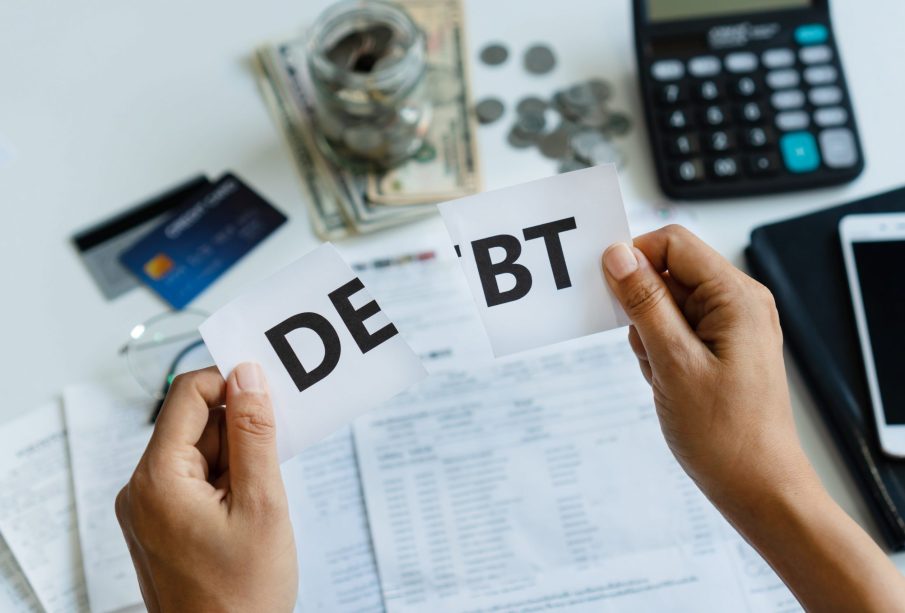
Debt is a financial reality for individuals, businesses, and governments alike. When used responsibly, it can support growth and stability. When mismanaged, it can become a long-term burden affecting financial security, mental health, and future opportunities. Understanding how debt works is the first step toward controlling it instead of being controlled by it.
What Is Debt?
Debt occurs when money is borrowed with the promise of repayment, usually with interest, over a specific period. It represents a legal and financial obligation between a borrower and a lender.
Common characteristics of debt include:
-
A principal amount (the original sum borrowed)
-
Interest, which is the cost of borrowing
-
A repayment schedule
-
Possible penalties for late or missed payments
Types of Debt
Debt can be broadly classified based on its purpose and structure.
Secured Debt
This type of debt is backed by collateral, meaning the lender can seize an asset if payments are not made.
-
Mortgages
-
Auto loans
-
Secured business loans
Unsecured Debt
Unsecured debt does not require collateral and often carries higher interest rates.
-
Credit cards
-
Personal loans
-
Medical bills
Revolving vs. Installment Debt
-
Revolving debt allows repeated borrowing up to a limit, such as credit cards
-
Installment debt involves fixed payments over time, such as student loans
Why People Accumulate Debt
Debt is not always a result of poor financial habits. Many factors contribute to borrowing.
-
Rising living costs and stagnant wages
-
Education and career investment
-
Medical emergencies
-
Lack of emergency savings
-
Easy access to credit
In many cases, debt starts as a solution but becomes a problem when repayment outpaces income growth.
The Pros and Cons of Debt
Potential Benefits
When used strategically, debt can offer advantages:
-
Enables large purchases without upfront cash
-
Helps build credit history
-
Supports education and business growth
Risks and Downsides
Unchecked debt can create serious challenges:
-
High interest costs over time
-
Reduced cash flow
-
Lower credit scores
-
Increased financial stress
The key difference between helpful and harmful debt lies in management and intent.
How Debt Affects Your Financial Health
Debt influences nearly every aspect of personal finance. High balances can limit savings, delay major life goals, and reduce financial flexibility.
Long-term effects may include:
-
Difficulty qualifying for future loans
-
Higher insurance premiums
-
Limited investment opportunities
-
Emotional strain and anxiety
Effective Strategies for Managing Debt
Taking control of debt requires a clear plan and consistent action.
Assess and Organize
Start by listing all debts, including:
-
Outstanding balances
-
Interest rates
-
Minimum payments
Choose a Repayment Strategy
Popular approaches include:
-
Debt snowball method: Paying off smaller debts first for motivation
-
Debt avalanche method: Prioritizing high-interest debts to save money
Reduce Interest Costs
-
Refinance high-interest loans
-
Negotiate with creditors
-
Consider consolidation carefully
Build Healthier Financial Habits
-
Create a realistic budget
-
Build an emergency fund
-
Avoid unnecessary new debt
Consistency matters more than speed when it comes to long-term success.
When to Seek Professional Help
If debt feels overwhelming or unmanageable, professional guidance can help.
-
Credit counseling services
-
Financial planners
-
Debt management programs
Seeking help early often prevents deeper financial damage.
Conclusion
Debt is neither inherently good nor bad—it is a financial tool. Used wisely, it can open doors to opportunity. Used carelessly, it can close them just as quickly. By understanding the types of debt, recognizing its impact, and applying structured repayment strategies, individuals can regain control and work toward lasting financial stability.
Frequently Asked Questions (FAQs)
1. Is all debt considered bad debt?
No. Debt used for education, housing, or business growth can be beneficial if it aligns with long-term financial goals and is manageable.
2. How much debt is too much?
Debt becomes problematic when monthly payments strain income or prevent saving for essentials and emergencies.
3. Does paying off debt improve credit scores immediately?
Improvements may take time, but consistent on-time payments and lower balances generally boost credit health.
4. Should I save money or pay off debt first?
Ideally, do both. Building a small emergency fund while paying down high-interest debt offers balance and protection.
5. Can debt consolidation hurt my finances?
It can help or hurt depending on interest rates, fees, and spending behavior after consolidation.
6. What happens if I stop paying my debt?
Missed payments can lead to late fees, damaged credit, collection actions, and possible legal consequences.
7. How long does it usually take to become debt-free?
The timeline varies based on income, debt size, interest rates, and repayment strategy, ranging from months to several years.