
ECX Vs XEC: Why Are Two Crypto Assets Called eCash?
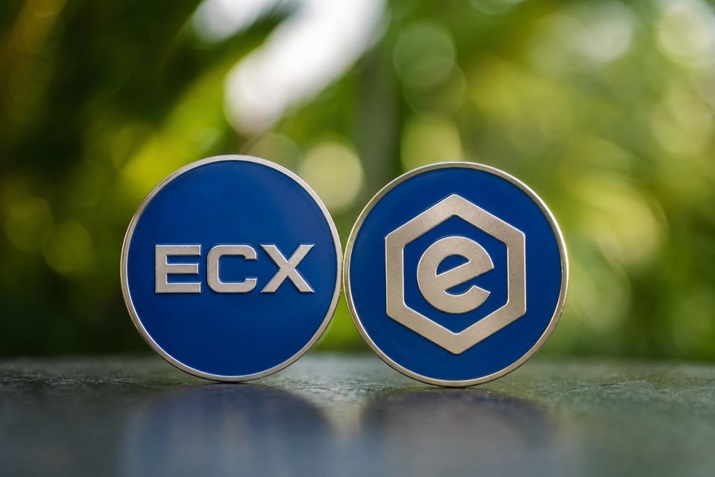
The two projects may use a similar name but have very different market and technical histories and contexts. XEC is a native ticker in use today for the cash-family chain that emerged as a result of changes made within Bitcoin Cash (BCH) networks, while ECX is a different project that you may run into in legacy contexts and crypto markets sites.
What follows is a rundown of the contexts in which you may have previously seen these projects referenced, why the confusion can happen and steps a methodical practitioner may take to make sure they don’t make assumptions about what network a particular cash-family coin they may control is associated with before migrating assets, restoring access to older wallets or otherwise interacting with cash-family assets.
Why Can Confusion Happen With XEC and ECX?
There’s no governing body when it comes to crypto names, tickers and logos. Different teams can name their coins, tokens, wallets, apps and projects whatever they’d like, and may end up using the same name as other teams’ projects.
This can lead to search engines, crypto markets sites and exchanges returning similar or identical projects in response to a search term.
Additionally, projects sometimes rebrand (changing the name of the coin or token) or re-purpose a ticker symbol (the abbreviated term used to refer to a particular coin or token). For example, following a fork (when the technical rules of a blockchain get updated) in a way that divides a community into two camps: those who implement the changes on their software, and those who stick to the previous technical rules), one camp might decide to refer to their version of the blockchain with a new name and ticker. For more on this, take note of prior designations and network history.
Teams also sometimes restart projects or pivot them in new technical directions, using new names or branding.
Taken together, these elements can create confusion for users as they may assume projects using similar branding or names are related or are able to be converted directly into one another. Crypto markets sites can add to this confusion by returning both results when a search term like eCash is entered, for example (this breakdown is the page that matches this).
Likewise, exchanges may list many different projects but this doesn’t necessarily mean they’re all actively traded (there may not be buyers or sellers using an exchange’s orderbook), liquid (easily converted into other coins or fiat) or that teams are actively working on them.
Identifying the Two Assets
XEC
XEC is the current native ticker used for a cash-family chain. The team implemented changes that include a re-denomination, which means balances are now denominated as whole rather than fractional numbers, this doesn’t change how much people own, it’s just that it’s expressed as a different value. In this way, XEC is different from other coins and tokens it’s been lumped in with due to having similar names (see ECX below).
Previously, the network and native coin went by other names so you may run into references in articles and other resources that don’t use the name XEC. However, most wallets and exchanges today do use this ticker and network name when listing support for the chain.
ECX
ECX is another coin you may run across on crypto markets sites or when searching for “eCash” on some exchanges. It could be delisted from some exchanges today but appear on crypto markets sites that still include defunct or low-traded projects. This could also be an abandoned coin or one with a different underlying structure than cash-family coins.
Another wrinkle: Address formats can change even if they use the same key material. Do not retype a legacy-looking address with a new prefix by hand, and do not treat a legacy-looking address as evidence that a receiver supports a newer format.
Use your wallet’s documented method to convert or show addresses, and then look up the result in a well-known block explorer to confirm both address and network.
For any significant amount, send a minimal test payment first and allow it to confirm before sending the rest.
Checking an Older Balance Before a Transfer
If you have an older balance you believe could be XEC or some other eCash-associated asset:
- Don’t assume the project is XEC (or another cash-family chain) based only on the name, logo or ticker symbol. For example, XEC was previously known under a different name and ticker so you may run into references to it online under a different name. It’s also possible you control another cash-family coin, or an entirely different asset.
- Do check the date it was added to the wallet, network name (if it’s displayed), address prefix, associated transaction(s), etc. If using a smart contract-based token, also check that the contract address matches the correct token.
- If restoring an older wallet, check the derivation path it’s associated with. Refer to the project’s online resources or reach out to the team for help.
- Some assets could have been delisted from exchanges, no longer be liquid or in use. A markets site may continue to feature them and show an out-of-date price or note there’s a lack of trading volume for the pair. Just because a project has been listed on an exchange or markets site doesn’t necessarily mean the coin or token is actively in use today.
If you control XEC:
- Double-check that the receiving wallet or exchange supports XEC on its native network, and that you’re sending funds to an XEC deposit address or by selecting the network associated with XEC. Sending XEC (or any asset) to the wrong network or an exchange that does not support deposits on that network can mean losing access to them.
- Check the exchange or receiving wallet’s minimum deposit amounts are met and also consider the transaction fee amount when sending.
- Before making a transaction to migrate assets, jot down the wallet address you sent them from (if doing so from a personal wallet), transaction ID(s) and make sure you have access to private keys (Britannica’s version at com/topic/cryptology/Public-key-cryptography is the least fluffy) in the event you need to move the XEC back in the future.